
A Practical Guide to Aviation Insurance for Aircraft Owners & Operators
Protect your aircraft, liability and aviation operations with advice from ABS Insurance Brokers—based at Bankstown Airport in Sydney’s aviation community.
Whether you own a light aircraft, fly aircraft you do not own, operate a hangar or maintenance business, conduct aerial work or manage remotely piloted aircraft, the right aviation insurance program starts with a detailed understanding of how you operate.
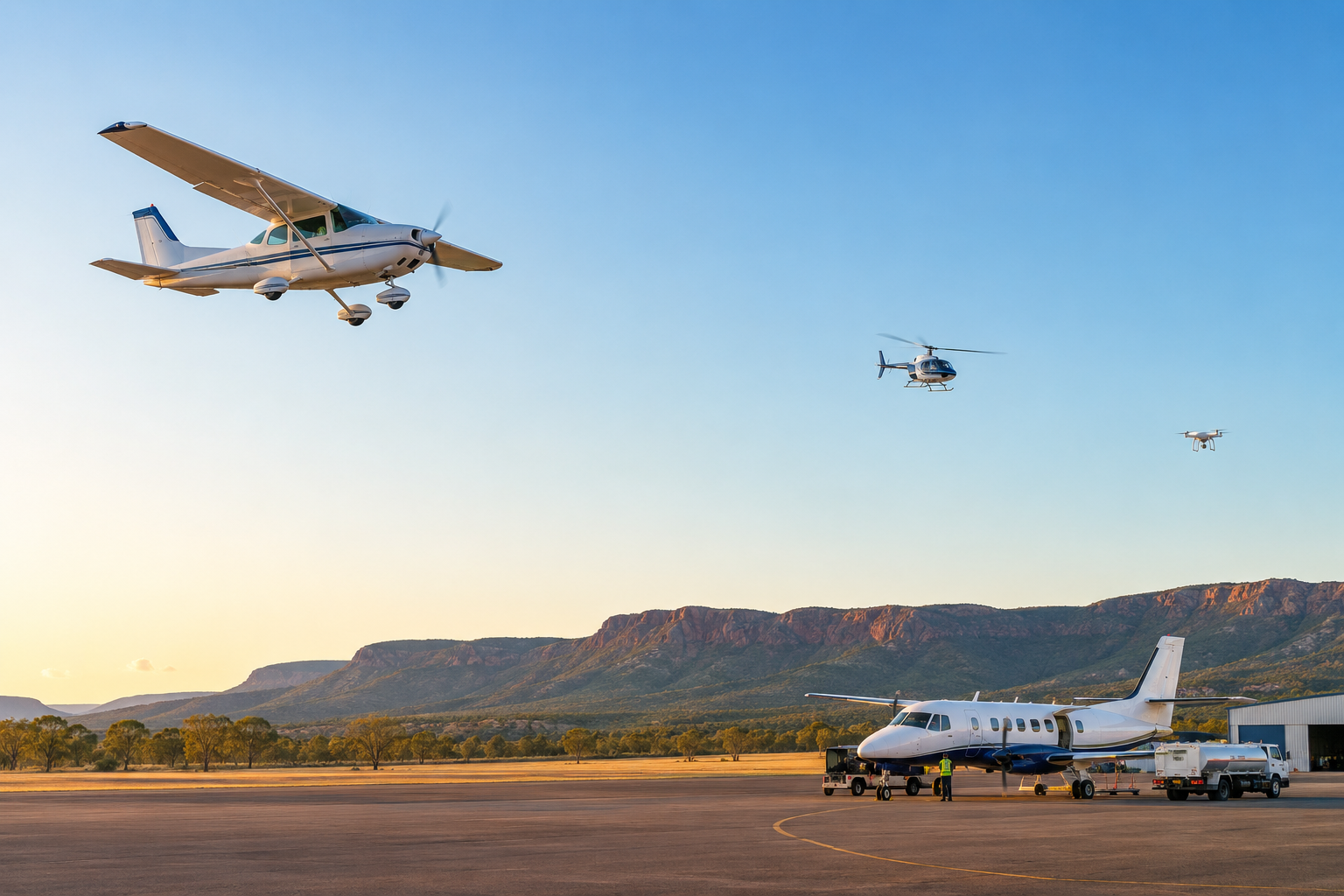
Aviation insurance needs more than a standard policy review
Aviation combines high-value assets, specialised operations and potentially significant third-party liability. A policy that looks competitive on price can still leave important gaps if the aircraft use, approved pilots, geographical limits, contractual responsibilities or business activities are not described correctly.
ABS Insurance Brokers takes a risk-first approach. We help identify what needs protection, approach suitable aviation insurance markets and explain the important limits, conditions and exclusions before you decide.
Our office location at Bankstown Airport—recognised by Aeria as NSW’s premier general aviation airport—places ABS close to a diverse aviation precinct of flight schools, charter operators, emergency aviation services, maintenance organisations and recreational flying.
ABS Insurance Brokers is located at Bankstown Airport but is not affiliated with or endorsed by Bankstown Airport or Aeria.
Talk to an aviation insurance broker
Not sure which cover applies? Leave your details and tell us what you fly or operate. We’ll contact you to discuss the risk and the information insurers are likely to need.
Prefer to speak now? Call 1300 871 318. Your information will be handled in accordance with our Privacy Policy.
What can aviation insurance cover?
The cover you need depends on whether you own, fly, maintain, store or provide services around aircraft. ABS can help arrange and coordinate cover across the following areas.
Aircraft hull and liability insurance
Aircraft hull and liability insurance can combine physical loss or damage cover for an insured aircraft with liability protection for injury or property damage to third parties. Passenger liability and ground risks may also be relevant, depending on the policy and operation.
Aircraft non-ownership liability
Pilots, flying organisations, charter customers and businesses may face liability even when they do not own the aircraft. Aircraft non-ownership liability insurance is designed to respond to specified liabilities arising from the use of non-owned aircraft, subject to the policy terms.
Hangar keepers liability
If an aircraft is in your care, custody or control for storage, maintenance, repair, refuelling or another service, ordinary public liability may not be enough. Hangar keepers liability insurance can address covered damage to customers’ aircraft while they are under your control.
Aerial application and specialised aerial work
Agricultural spraying, mustering, surveying, photography, powerline inspection and other aerial work can change the risk substantially. Aircraft aerial application liability insurance may include specialised liability considerations that need careful declaration and underwriting.
Drone and remotely piloted aircraft insurance
Commercial drone operators can face exposure for damage to the aircraft, payload and equipment as well as third-party injury, property damage and privacy-related allegations. Explore remotely piloted aircraft insurance and ask ABS about limits appropriate to your contracts and operations.
Aviation business and airport liability
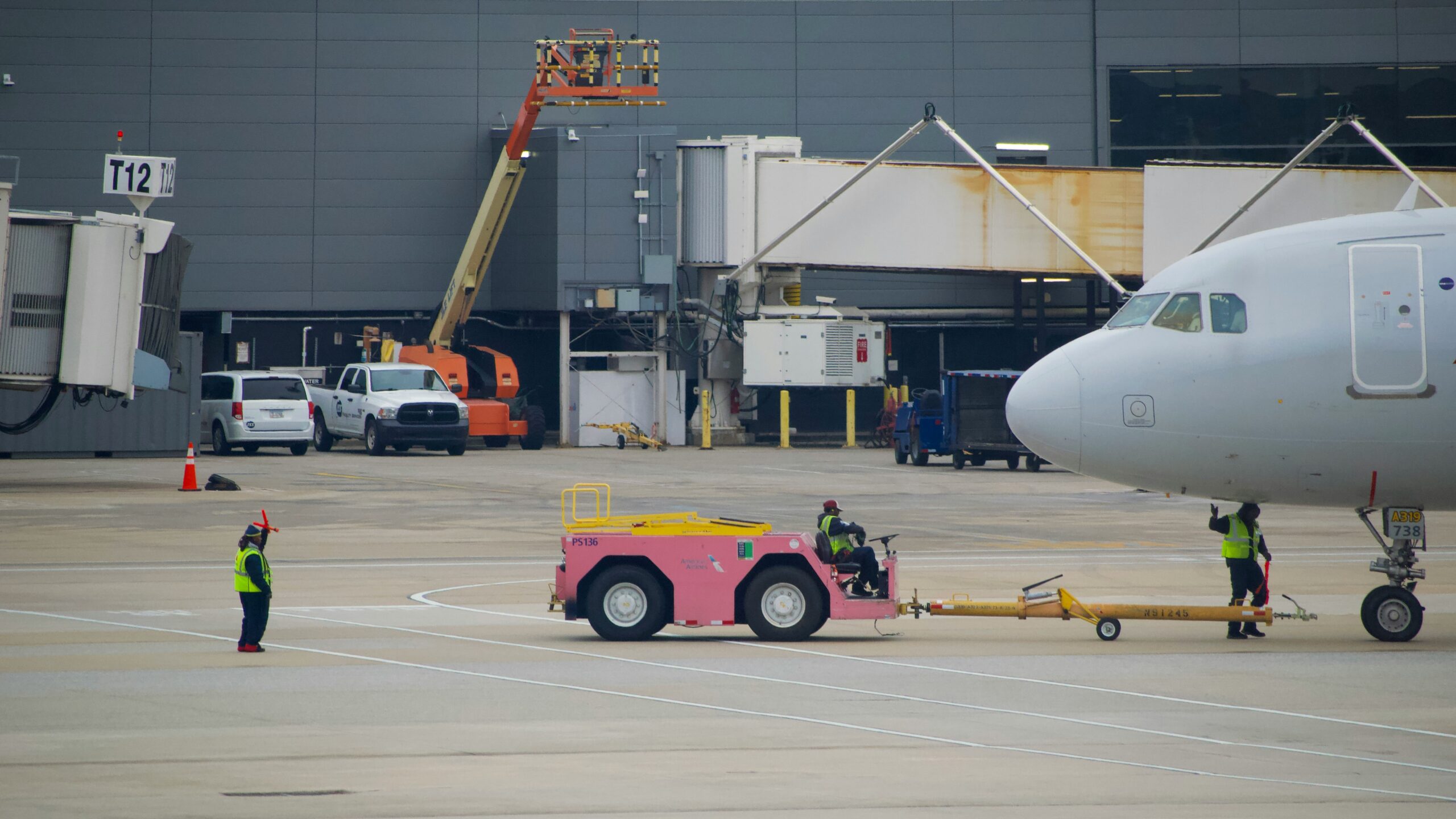
Flight schools, fixed-base operators, ground handlers, refuellers, maintenance organisations, component suppliers and other aviation businesses may require a combination of aviation liability and conventional business covers. Our aviation specialist cover overview explains common starting points.
Supporting business covers
An aviation business may also need property, business interruption, workers compensation, cyber, management liability, professional indemnity, motor or marine transit protection. Coordinating these policies helps reduce the chance of assumptions and exclusions conflicting across different insurers.
Why work with ABS at Bankstown Airport?
- Local aviation setting: our Bankstown Airport base keeps us close to the day-to-day realities of general aviation.
- Broker-led market access: we help present your risk to appropriate insurers and compare more than headline premium.
- Clear explanation: we translate policy wording, endorsements, deductibles and pilot requirements into practical terms.
- Coordinated protection: we can review aviation and broader business exposures together.
- Claims support: when an insured event occurs, your broker can help coordinate information and communication with the insurer.
A specialist broker cannot remove risk, and no policy covers every event. The value is in identifying exposures early, declaring them accurately and arranging cover that reflects the real operation.
What affects the cost of aviation insurance?
Aviation insurance premiums are individually underwritten. Insurers commonly consider:
- Aircraft: make, model, age, insured value, seating, modifications and parts availability.
- Use: private pleasure, training, charter, aerial work, commercial operations or hire and reward.
- Pilots: total hours, time on type, recency, ratings, training, age and claims or incident history.
- Location: where the aircraft is based, hangared and operated, including geographical limits.
- Maintenance: maintenance arrangements, airworthiness information and risk controls.
- Liability limits: passenger, third-party and contractual requirements.
- Claims experience: previous losses and the steps taken to prevent recurrence.
- Deductible: the amount you agree to contribute to an eligible claim.
Cheapest is not automatically best. A lower premium may reflect a higher deductible, narrower permitted uses, stricter pilot warranties or reduced liability protection. ABS helps compare the substance of each option.
Information to prepare for an aviation insurance quote
A complete submission helps an insurer understand the risk and can reduce delays. Depending on the cover, prepare:
- Aircraft make, model, year, registration and agreed or market value.
- Ownership, financing and any interested parties.
- Intended uses, annual hours, operating area and base location.
- Pilot names, licences, ratings, total hours, time on type and recent experience.
- Maintenance arrangements, hangaring and security measures.
- Required liability limits and contractual insurance clauses.
- Five-year claims, incidents and insurance history where requested.
- For businesses: revenue, staff, activities, customer aircraft values and risk-control procedures.
Tell us about changes before they happen—such as a new pilot, new aircraft, a different base, expanded geographic operation or a move from private to commercial use. An undeclared change can affect whether the policy responds.
Watch: Maintaining insurability for general aviation pilots
This educational discussion covers pilot experience, training and the renewal process—factors that commonly influence aviation insurance underwriting. It is provided as general education; ABS can discuss how insurers may assess your particular circumstances.
A practical aviation insurance review
1. Define the operation
We start with what you own, fly, store, maintain or provide—and who could suffer a loss if something goes wrong.
2. Identify contracts and obligations
Lease, finance, airport, hangar, customer and supplier agreements may contain insurance requirements. These should be reviewed before selecting limits or endorsements.
3. Present the risk clearly
Accurate information about pilots, usage, values, locations, training and risk controls gives underwriters a clearer basis for terms.
4. Compare policy detail
We look beyond premium to exclusions, deductibles, agreed value provisions, permitted uses, pilot warranties, geographic scope and liability limits.
5. Keep cover current
Aviation risks change. Regular reviews and timely notification of material changes help keep the insurance aligned with the operation.
Frequently asked questions about aviation insurance
Is aircraft insurance compulsory in Australia?
There is no single rule that makes every form of aircraft insurance compulsory in every circumstance. However, lenders, lessors, airports, hangar operators, clients and commercial contracts may require specified hull or liability cover. Regulatory and contractual requirements can vary, so obtain advice for your operation.
Does aviation insurance cover any pilot flying the aircraft?
Not automatically. A policy may name approved pilots or set minimum qualifications, hours, ratings and training requirements. Check the pilot clause before anyone flies the aircraft.
What is the difference between hull and liability cover?
Hull cover generally addresses insured physical loss or damage to the aircraft. Liability cover addresses covered legal liability to passengers or third parties. The sections, limits, deductibles and exclusions differ by policy.
Can a pilot insure liability when flying someone else’s aircraft?
Potentially. Non-ownership liability cover may be relevant, but it is not a substitute for the owner’s aircraft policy and does not cover every situation.
Does aviation insurance include drones?
Drone and remotely piloted aircraft risks are generally handled under specialised cover rather than assuming they are included in standard business liability. The operation, payload, territory and contractual limits all matter.
Can ABS help after a claim?
Yes. Your broker can help explain the process, gather insurer-requested information and communicate with the insurer. The insurer decides coverage and settlement under the policy terms.
How early should I start a renewal?
Start early—particularly if aircraft values, pilots, use, claims history or operations have changed. Extra time allows underwriters to ask questions and gives you a better opportunity to compare terms carefully.
Start your aviation insurance quote
Tell us about the aircraft or aviation operation you need to protect. The more complete the initial information, the more efficiently ABS can assess the next steps.
Need help with the form? Call 1300 871 318 or email info@abshow.com.au.
Speak with ABS Insurance Brokers
For aviation insurance in Australia—from private aircraft and non-owned aircraft liability to hangar keepers, drones and specialist aviation businesses—speak with ABS Insurance Brokers at Bankstown Airport.
Important information: This article provides general information only and does not take into account your objectives, financial situation or needs. Cover is subject to insurer terms, conditions, limits, deductibles and exclusions. Before deciding, consider the relevant policy wording or Product Disclosure Statement where applicable and obtain advice appropriate to your circumstances. ABS Insurance Brokers Pty Ltd. AFSL No. 700333.