
Remotely piloted aircraft insurance helps protect owners and operators against accidental damage to the RPA, plus personal injury and property claims arising from an RPA accident.
 Posted on Google
 Daniel Zarkovic0 days ago
Trustindex verifies that the original source of the review is Google.
Had a fantastic experience with these guys! I run a small finance business and my insurance premiums were always increasing year on year. Decided to shop around and found these guys who helped get my annual premiums right down savings me a lot of money. Highly recommend and easy to deal with!Posted on Google mick taleb27 days agoVanessa and Faith have saved my life. Insurance and policy covers for me have never been so easy the best of the best 💪🏼Posted on Google
 cameron sosso28 days agoVanessa was a pleasure to deal with.Posted on Google
 John Brice29 days agoI have dealt with Phil for many years, both professionally and personally. I have always forund him to be of the highest integrity and he does what he says he'll do. I have recommended him to many of our clients for his advice and wealth of knowledge.Posted on Google
 Paul Metlege30 days agoFor nearly as long as I've been building, Vanessa has been taking care of my insurances. Honestly, not just the best operator in insurance, one of the best operators simply I've ever come across in any field. Can not recommend Vanessa high enough. Replicate her work ethic, and the world will be a better place!Posted on Google
 maree conners42 days agoWe have been using ABS Insurance Brokers for several years and have found them to be very helpful and they make sure that we get the right insurance at the right price. When we had a claim they went out of their way to make sure all paperwork was done so we could get our car back as soon as possible, I would recommend them to anyone looking for insurancePosted on Google
 maha hebous45 days agoABS insurance are not just brokers they have become family. Over the past 12+ years they have helped us out every step of the way to find us the best prices and solutions for our Building Company. I can’t thank them enough. Thank you Vanessa and Faith and to all past and present colleagues that always do right by usPosted on Google
 MICHELLE SABA50 days agoI cannot recommend Vanessa and Faith highly enough. The service they both provide is absolutely incredible. They are extremely knowledgeable, professional and always willing to take the time to answer any questions we have. No matter what we need, they are always ready to take my call, respond promptly and get things sorted quickly and efficiently. It’s so reassuring having insurance brokers who are reliable, approachable and genuinely care about their clients. Vanessa and Faith consistently go above and beyond for us, and nothing ever feels like too much trouble. We are extremely grateful for their ongoing support and wouldn’t hesitate to recommend them to anyone looking for knowledgeable, responsive and dependable insurance brokers. Thank you both for always looking after us!Posted on Google
 Gaby Bayssari51 days agoFantastic experience with ABS Insurance Brokers! They made the whole process completely stress-free, found me great coverage, and saved me time and money. Highly professional and responsive. Five stars!Posted on Google
 Murphy Salisbury51 days agoI cannot recommend the team at ABS enough In particular Vanessa - she has been helping me with HBCF Cover for the last five years, And has been a major part in helping me grow my business safe safely. Five star recommendation from Salisbury building projectsVerified by TrustindexTrustindex verified badge is the Universal Symbol of Trust. Only the greatest companies can get the verified badge who has a review score above 4.5, based on customer reviews over the past 12 months. Read more
For Your Project
Great Value
We're Here to Help
Local Experts
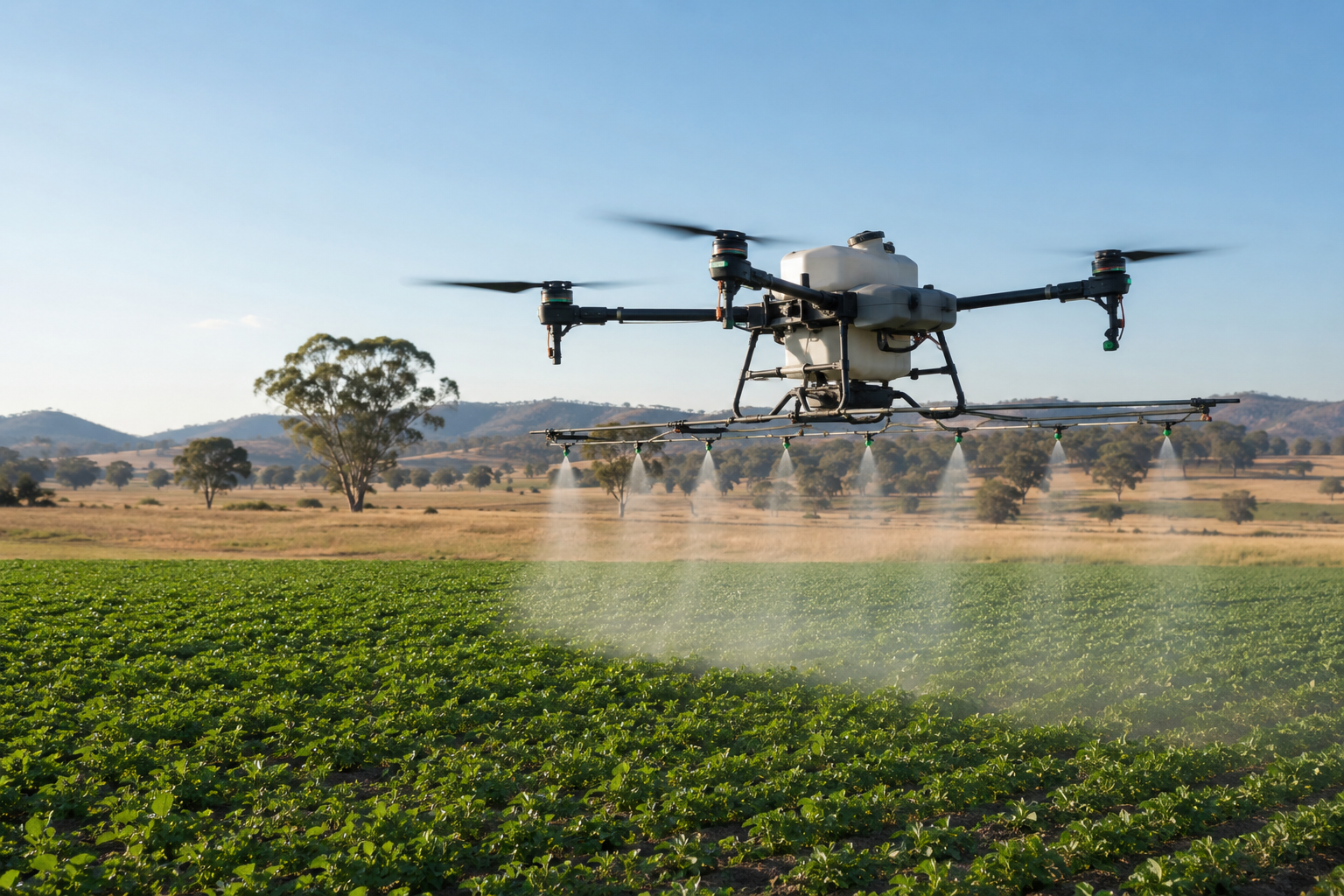
RPA insurance is designed for people and businesses that own or operate remotely piloted aircraft for commercial or specialist work. Cover can be structured around the aircraft, payloads, ground equipment and liability exposures created by your operations, subject to the policy wording.
Cover options for accidental loss of or damage to the remotely piloted aircraft, including eligible damage while operating, subject to the policy wording.
Protect nominated payloads and equipment such as cameras, sensors, batteries, controllers, ground stations and accessories.
Cover options for legal liability arising from accidental bodily injury or property damage caused by an RPA accident.
Tailored consideration for aerial photography, surveying, mapping, inspections, construction, mining, agriculture and other declared uses.
Options may include accidental loss or damage while the RPA and equipment are in transit or on the ground, subject to selected cover.
Flexible solutions for multiple aircraft, specialist payloads, complex operations and eligible enterprise or project-based work.
Advice on RPA hull, liability, payload and operational exposures
Policy options shaped around how, where and why you operate
Consideration of equipment values, clients, sites, flight activity and contractors
A dedicated broker to help explain limits, excesses, exclusions and claims
Access to specialist aviation and drone insurance markets
Talk to ABS about remotely piloted aircraft insurance for your business.
Remotely piloted aircraft insurance, also called RPA or drone insurance, is specialist aviation cover for people and businesses that own or operate remotely piloted aircraft. It can combine accidental damage protection with third-party liability cover.
Depending on the policy wording, hull cover may respond to accidental loss of or damage to the insured RPA while in flight, on the ground or in transit. The aircraft, value, use, operating area and excess need to be declared.
Yes. RPA policies can include liability for accidental bodily injury or property damage arising from an RPA accident. Liability limits, exclusions, operating conditions and any required approvals must be checked carefully.
Payloads and ground equipment may be insured when they are specifically declared, including cameras, LiDAR, thermal sensors, batteries, controllers and remote pilot stations. Cover depends on the policy schedule and wording.
Cover may be available for declared commercial activities such as photography, filming, surveying, mapping, inspections, construction, mining, agriculture, infrastructure and environmental monitoring. The operator must comply with applicable CASA requirements and policy conditions.