Drone public liability and hull insurance address different parts of an accident. Liability cover concerns specified claims by other people; hull cover concerns physical loss of or damage to the insured aircraft, subject to the wording.
A commercial operator may need to consider both. Start with the ABS drone insurance hub, then use this comparison to frame questions about your equipment, clients and contracts.
For a related check, read the factors that influence drone insurance cost.
Discuss your drone, pilots, work and insurance questions with ABS Insurance Brokers.
Bring your equipment list and operating details so the proposed cover can be reviewed.
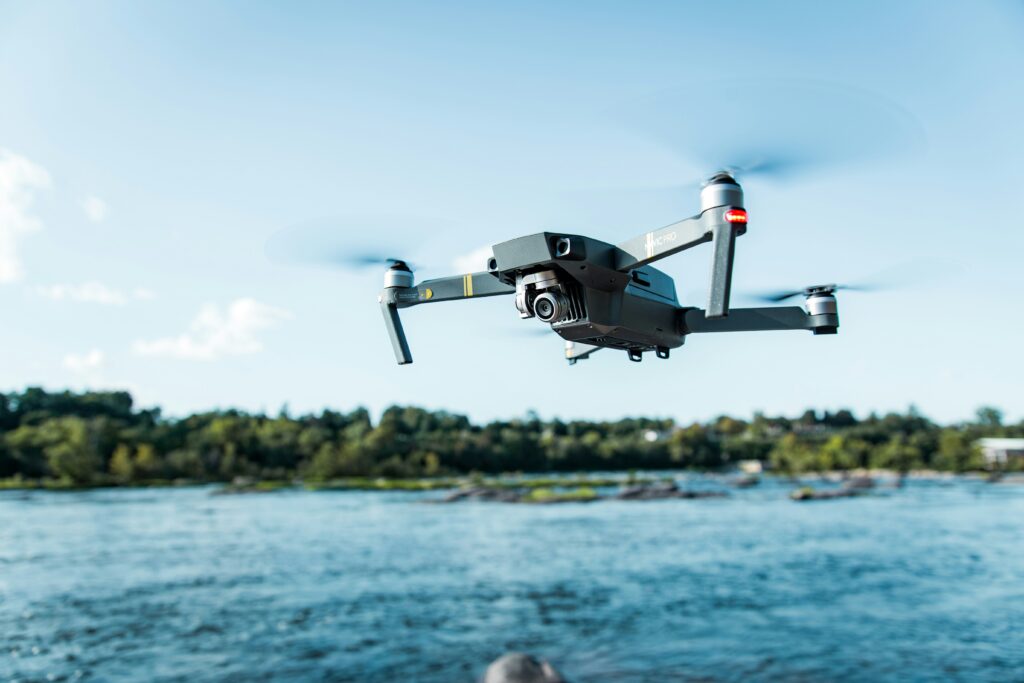
Aviation liability cover may respond when an insured drone operation causes injury to another person or damage to someone else’s property and the insured is legally liable. The wording determines the insured activities, applicable limits, exclusions and treatment of defence costs.
For example, imagine a drone damaging a neighbouring roof during an inspection. The property owner’s demand would raise a liability question. Repairing the operator’s own damaged drone would raise a separate equipment question. This is an illustration of different exposures, not a prediction that either claim would be accepted.
Hull or physical damage cover is concerned with the insured aircraft itself. Payloads, cameras, control equipment and accessories need careful attention: some may require individual listing, separate values or a specific extension.
Ask when cover applies, including flight, ground handling, storage and transit. Check the settlement basis, excess, theft conditions and whether loss without recovery of the aircraft is covered. Mechanical breakdown and wear are different from accidental damage and should not be assumed to be insured.
As one product example, QBE’s RPAS overview distinguishes physical damage and third-party liability benefits. Read the actual quotation and wording for your proposed cover.
These questions help separate risks that a single phrase such as “comprehensive drone insurance” can hide. Ask for the answer against the specific policy section rather than relying on a product label.
Do not assume a general public liability policy includes aircraft operations. Ask the provider to identify any aircraft exclusion and confirm how your drone activities are treated. Similarly, employing a subcontract pilot does not automatically transfer every exposure away from your business.
Read the client’s requested limit alongside indemnities, additional insured requirements and responsibilities for hired equipment. A certificate of currency summarises certain details; it does not reproduce every condition or amend the policy.
Provide proposed contract clauses to the broker before signing. If the contract requires more than the proposed cover offers, resolve that gap expressly rather than treating the certificate as proof that every promise is insured.
Insurance does not authorise a flight. Use CASA’s guidance on flying over and near people when assessing operational requirements. Discuss the resulting flight profile with the insurer as a separate step.
It should not be assumed to. Damage to your own aircraft is a physical damage or hull question. Confirm whether that section is selected and what equipment it includes.
Only if the relevant wording and insured equipment arrangements include it. Give the broker the camera details and value, even when it is normally attached to the drone.
Yes, an incident may damage your aircraft and another person’s property. Each section has its own conditions and the insurer must assess the circumstances.
The contract is one input, not a full assessment of the operation. Consider the potential exposures, available cover and policy terms with your broker.
An allegation about professional advice or data may require professional indemnity consideration. Do not assume an aviation liability policy covers a client’s purely financial loss.
ABS can help you present the aircraft, equipment and liability exposures together. Bring your current policy and client insurance clauses to the review.
General information: This article does not take account of your objectives, financial situation or needs. Cover is subject to underwriting, the policy wording, schedule, endorsements, limits, excesses and exclusions. Read the relevant documents and seek advice appropriate to your circumstances. Check current regulatory requirements with the relevant authority.