
You've got a new project starting, the principal wants a certificate of currency, and the contract specifies a liability limit you've never had to arrange before. Your current policy may look adequate, but a quick glance at the schedule won't tell you whether excavation, roofing, subcontractors, occupied premises or completed work are properly covered.
That's where the choice of a public liability insurance broker matters. A capable broker doesn't just collect prices. They understand your work, approach insurers that are prepared to consider it, identify restrictions before you sign, and stay useful when a claim or coverage dispute develops.
Table of Contents
- Why a Good Broker Beats a Cheap Quote Every Time
- Comparison Criteria for Selecting the Right Broker
- Documents and Data You Need to Prepare
- How Brokers Source, Compare, and Bind Quotes
- Effective Negotiation Tactics for Better Rates
- Key Takeaways and Next Steps
Why a Good Broker Beats a Cheap Quote Every Time
A builder accepts the cheapest public liability quotation because the premium looks attractive and the certificate arrives quickly. Months later, a visitor is injured on site and the insurer asks questions about the declared trade, the subcontractor arrangement and the contract terms. The policy contains an exclusion or condition the builder never understood. The certificate proves a policy existed, but it doesn't prove that every obligation in the building contract or every activity on site was insured.
That's not a pricing problem. It's a broker selection problem.

A good broker earns their fee by dealing with the parts of insurance that a quotation screen can't solve. They translate policy wording, test your activities against underwriting appetite, check contractual requirements and explain whether public liability is enough or whether you also need contract works, products liability, professional indemnity, plant or commercial motor cover.
The Australian market has a long memory. The APRA National Claims and Policies Database was established in January 2005 and records open, reopened and finalised public and product liability claims and policies underwritten by APRA-regulated general insurers since 2003. It gives brokers a substantial market-wide evidence base, although it doesn't cover every insurance arrangement in Australia.
Practical rule: Choose the broker who can explain what happens when the claim is difficult, not just the broker who can produce the lowest initial premium.
A broker should also be willing to challenge your assumptions. Public liability responds to third-party injury and property damage exposure. It generally isn't a substitute for cover over your own work, materials or work in progress. NSW Fair Trading distinguishes public liability from contract works insurance and warns that the property owner may be liable if someone is injured because of building work without public liability cover. The comparison between an insurance broker and an insurer is useful if you're unsure who is meant to represent your interests during placement.
A broker's real test comes after binding. They should help notify the claim, preserve the relevant records, communicate with the insurer and identify whether the dispute concerns facts, policy wording, contract liability or a failure to disclose information. That support is worth more than a small saving that leaves your business exposed.
Comparison Criteria for Selecting the Right Broker
Judge brokers through three lenses: suitability, service and total cost. A broker who performs well in only one category isn't enough for a builder with changing projects and contractual obligations.
Suitability comes first. Ask whether the broker has handled your actual trade, not merely “construction” as a broad category. A residential carpenter, commercial excavator, roofing contractor and design-and-build builder can present very different risks. The broker should ask about height, depth, hot works, structural work, occupied premises, hazardous materials, subcontractors and completed operations before approaching insurers.
Service becomes visible in the details. Can the broker obtain a certificate promptly when a principal changes the required wording? Do they explain an endorsement without sending you a policy document and telling you to read it? Will they help when the insurer asks for a chronology, contract, photographs or site records after an incident?
Total cost means more than premium. Include applicable statutory charges, broker fees, instalment costs, excesses and the commercial effect of exclusions or lower limits. A cheaper policy that cannot respond to your core work is not cheaper. It's an uninsured retention of risk.
| Criteria | What to Look For | Red Flag |
|---|---|---|
| Suitability | Clear questions about trade activities, contracts, turnover, locations, claims and subcontractors | A generic occupation description copied into every quotation |
| Service | Responsive certificates, clear explanations, claims assistance and organised renewal management | Slow replies or no named person responsible for your account |
| Policy wording | Review of exclusions, endorsements, aggregate limits, completed operations and subcontractor conditions | A premium comparison with no wording analysis |
| Market access | Insurers and underwriting agencies whose appetite fits your work | Sending the same incomplete submission to every market |
| Total cost | Premium, charges, fees, excess and meaningful differences in cover | “Cheapest” presented as the only measure of value |
Use a written matrix rather than relying on memory. The discipline of weighing options against evidence applies to insurance as much as it does to procurement. Record what each broker asked, which insurers were approached, what is excluded and how each option responds to your contracts.
Ask each broker the same practical questions. What information do you need before seeking terms? Which parts of my work may require an endorsement? What happens if a claim is rejected? Who handles the account when the usual contact is unavailable?
The broker should make the differences understandable. You don't need a lecture on insurance theory. You need a firm recommendation tied to your work, your contracts and the consequences of a gap.
Documents and Data You Need to Prepare
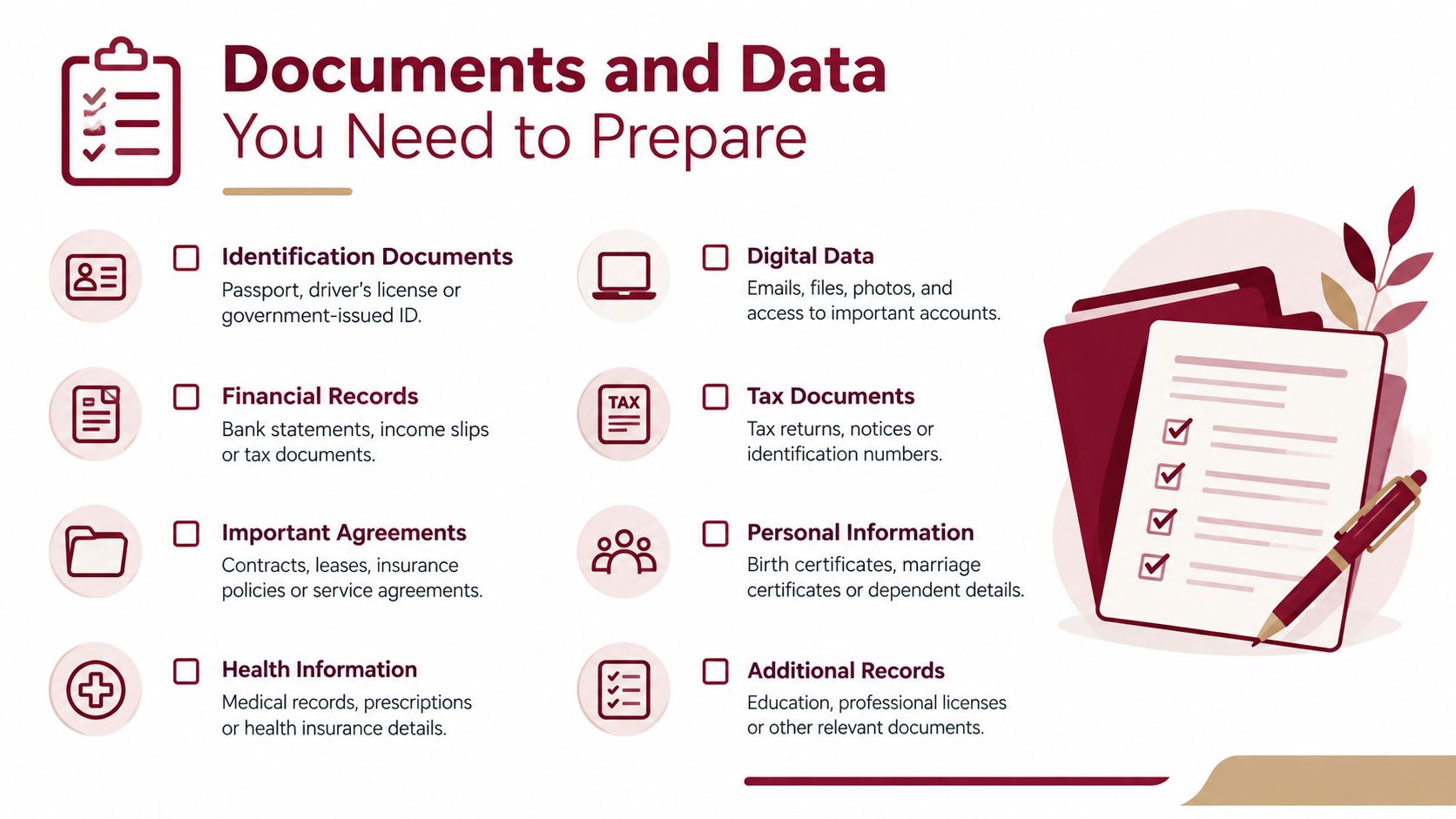
A complete submission gives the broker something accurate to negotiate with. An incomplete submission creates delays, produces unreliable terms and can leave an insurer assessing a narrower business description than the one you operate.
Prepare the following before your first meeting:
- Business identity: Provide the business name, ABN, legal entity, contact details and trading names.
- Work description: List every activity you perform, including secondary work that may not appear in your main trade title.
- Financial profile: Give expected annual turnover and the proportion of turnover generated by each trade activity.
- People and labour: State staff numbers, subcontractor details and how subcontractors are selected, supervised and insured.
- Work locations: Identify the states or territories, site types and whether work takes place in occupied premises.
- Higher-risk activities: Highlight heights, depths, hot works, excavation, structural work, roofing, cladding, hazardous materials and specialist equipment.
- Claims history: Supply the current policy schedule or certificate, expiry date and details of past claims, including corrective action taken.
- Contract evidence: Include relevant contracts, insurance schedules and required liability limits. Tell the broker whether a principal or head contractor must be noted.
- Competence and controls: Provide trade licences, qualifications, safety systems and risk-management documents where relevant.
- Authority and payment: Have clear payment instructions and written authority ready before suitable terms are accepted.
The reason for this detail is straightforward. An insurer prices the risk presented to it. If you describe yourself only as a “builder” but regularly excavate, undertake hot works or work on occupied commercial premises, the quotation may not reflect the exposure.
For owner-builders, the project structure matters as much as the work itself. NSW Fair Trading requires a written contract with licensed tradespeople when the contract price, or the labour and materials supplied by the contractor, exceeds $5,000, while work under an owner-builder permit is generally outside the Home Building Act insurance requirement unless contractor work exceeds $20,000. The NSW owner-builder insurance guidance explains why role, permit status and project value belong in the broker's fact-find.
Keep documents in a clearly named folder and use a consistent file naming system. Practical AI document collection tips can help organise incoming records, but technology doesn't replace your responsibility to check that the information is current and complete. You can also use this guide to obtaining public liability insurance when preparing questions for your broker.
How Brokers Source, Compare, and Bind Quotes
A competent broker follows a defined workflow. The process should feel deliberate, not like a series of unexplained emails from insurers.
Start with the risk, not the price
The broker first builds a working description of the business. That includes the trade performed, turnover, staff, subcontractors, locations, contracts, claims history and higher-risk activities such as work at height, excavation, hot works or work on occupied premises.
Next, they test whether public liability alone is sufficient. A NSW residential building contract template for work valued between $5,000 and $20,000 requires current public liability insurance of at least $5 million before work starts or site access is provided. The same template distinguishes that cover from workers compensation and property-damage insurance for work, work in progress and materials. Those requirements appear in the NSW home-building contract template.
Approach suitable markets
The broker sends complete underwriting information to insurers and underwriting agencies that suit the trade and risk profile. Market knowledge matters here. A market willing to consider excavation may not be appropriate for specialist structural work, and a policy designed for a straightforward trade may restrict hot works or subcontracting.
Compare the whole policy
The comparison should cover:
- Liability structure: Check the liability limit, aggregate limit and products liability.
- Scope of work: Confirm completed operations, declared activities and territorial limits.
- Conditions: Review subcontractor requirements, endorsements, exclusions and contractual-liability provisions.
- Commercial terms: Compare premium, excess, applicable charges, fees and instalment costs.
- Practical service: Consider certificate turnaround, claims capability and the insurer's responsiveness.
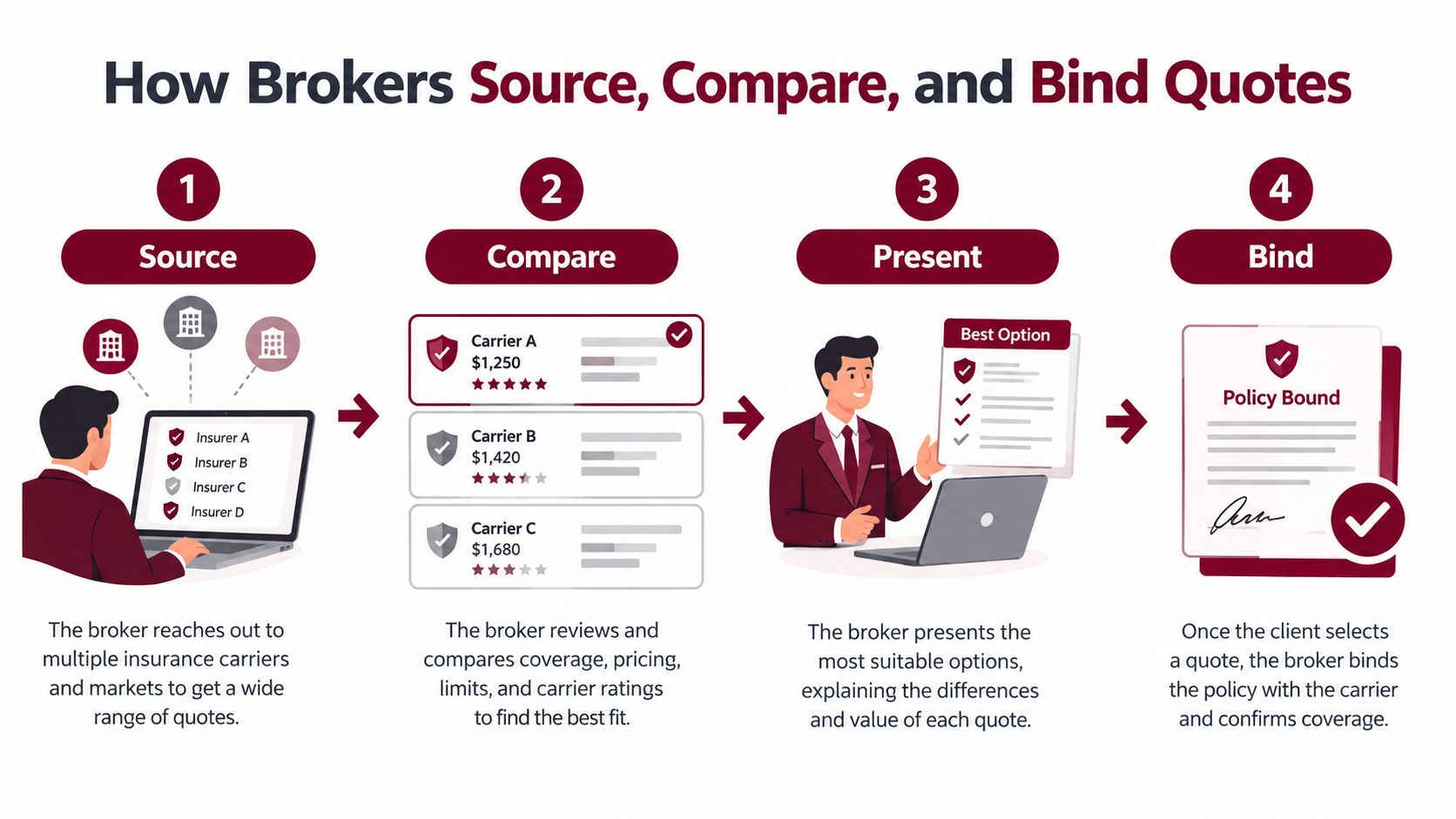
The broker should then present the options in plain English. They should explain why one insurer is suitable, what another excludes, whether the excess is workable and whether the contract requirements are met. Don't accept “covered subject to policy terms” as a recommendation.
Binding happens only after you give clear written authority to proceed. The broker then confirms the policy, provides the certificate of currency and sends the policy documentation. Check the certificate against the principal's requirements, but remember that a certificate is evidence of currency, not a replacement for the wording or a guarantee that every contractual obligation is insured.
Effective Negotiation Tactics for Better Rates
The strongest negotiation tactic is an accurate risk presentation. Asking an insurer to “do better on price” without explaining the business gives the underwriter little reason to change the terms.
Prepare a submission that shows how the business operates. Include trade activities, turnover, work methods, qualifications, subcontractor controls, safety systems and claims history. If you've had a claim, provide context and describe the corrective action. A resolved claim with clear improvements is easier to assess than an unexplained entry in a claims record.
Targeting matters too. A broker should approach insurers and underwriting agencies whose appetite matches your work rather than sending a vague submission across the market. The right market may offer a better combination of premium, excess, endorsements and contractual response than a generalist insurer that starts with broad restrictions.
Historical market results explain why underwriters take liability risk seriously. Parliamentary material citing APRA statistics recorded public and product liability claims rising from 55,000 in 1998 to 88,000 in 2000, an increase of approximately 60% in two years. For the year to June 2001, the reported public-liability loss ratio was 171.3%, meaning claims and related expenses substantially exceeded premium revenue during that period. These figures appear in the parliamentary record of public liability insurance statistics.
Negotiation principle: Underwriters respond to credible information and controlled exposure, not pressure alone.
There are legitimate ways to improve the overall terms. You may be able to accept a sensible excess, consolidate compatible policies or demonstrate effective safety and subcontractor controls. Discuss the full structure rather than demanding a lower premium in isolation. A higher excess may reduce cost, but only if your business can fund it after an incident.
Never reduce the liability limit below a contract requirement to make the quotation look cheaper. NSW contract requirements may call for a specific limit, and the wrong limit can delay site access or breach the agreement. Don't accept an exclusion that removes your core work either. A policy that is cheap because it excludes the work you perform is a failed negotiation.
Understand what you're paying for by reviewing this explanation of broker fee versus commission. The right question is whether the total arrangement produces practical protection, clear advice and useful claims support.
Key Takeaways and Next Steps
A suitable broker should do three things well. First, match the policy to your actual trade and contracts. Second, provide responsive service throughout certificates, renewals and changes. Third, explain total cost and wording differences so you can choose value rather than a headline premium.
Your preparation affects the result. Give the broker a complete description of your work, current turnover, staff and subcontractor arrangements, locations, claims history, licences, contracts and higher-risk activities. If the business has changed since renewal, say so before the broker approaches insurers.
Availability can be the first problem, not price. A February 2026 NSW small-business survey found that 8% of businesses had tried to obtain business insurance in the previous three years but couldn't, while 12% were unable to obtain public liability insurance. Public liability was held by 96% of surveyed small businesses, which shows that widespread ownership doesn't guarantee access for every contractor. The NSW small-business insurance submission supports treating declined or restricted applications as an underwriting problem that needs a proper strategy.
Use a practical selection test
Before appointing a broker, ask:
- Trade knowledge: Can they describe the risks in your work without relying on a generic occupation label?
- Wording discipline: Will they show you the exclusions, endorsements and subcontractor conditions that affect your jobs?
- Claims support: Who will help if an insurer rejects or restricts a claim?
- Market strategy: How will they respond if the first insurer declines the risk?
- Documentation: What do they need from you, and how will they record your authority to bind?
A rejected public-liability claim doesn't always follow the dispute pathway a small business expects. AFCA can consider some small-business insurance and broker-conduct complaints, but generally cannot consider small-business products involving legal liability, including public liability and products liability. AFCA recorded 22,351 general-insurance complaints in 2024–25, compared with 21,565 the previous year, but you still need to distinguish an insurer's claim decision from a broker's failure to follow instructions or arrange requested cover. The AFCA small-business guidance explains the relevant boundaries.
Preserve the policy wording, proposal, renewal disclosures, certificates, contracts, incident records, photographs, correspondence and the broker's advice file. If the dispute concerns a contract, indemnity or legal liability, obtain legal advice rather than assuming an ombudsman will determine the issue.
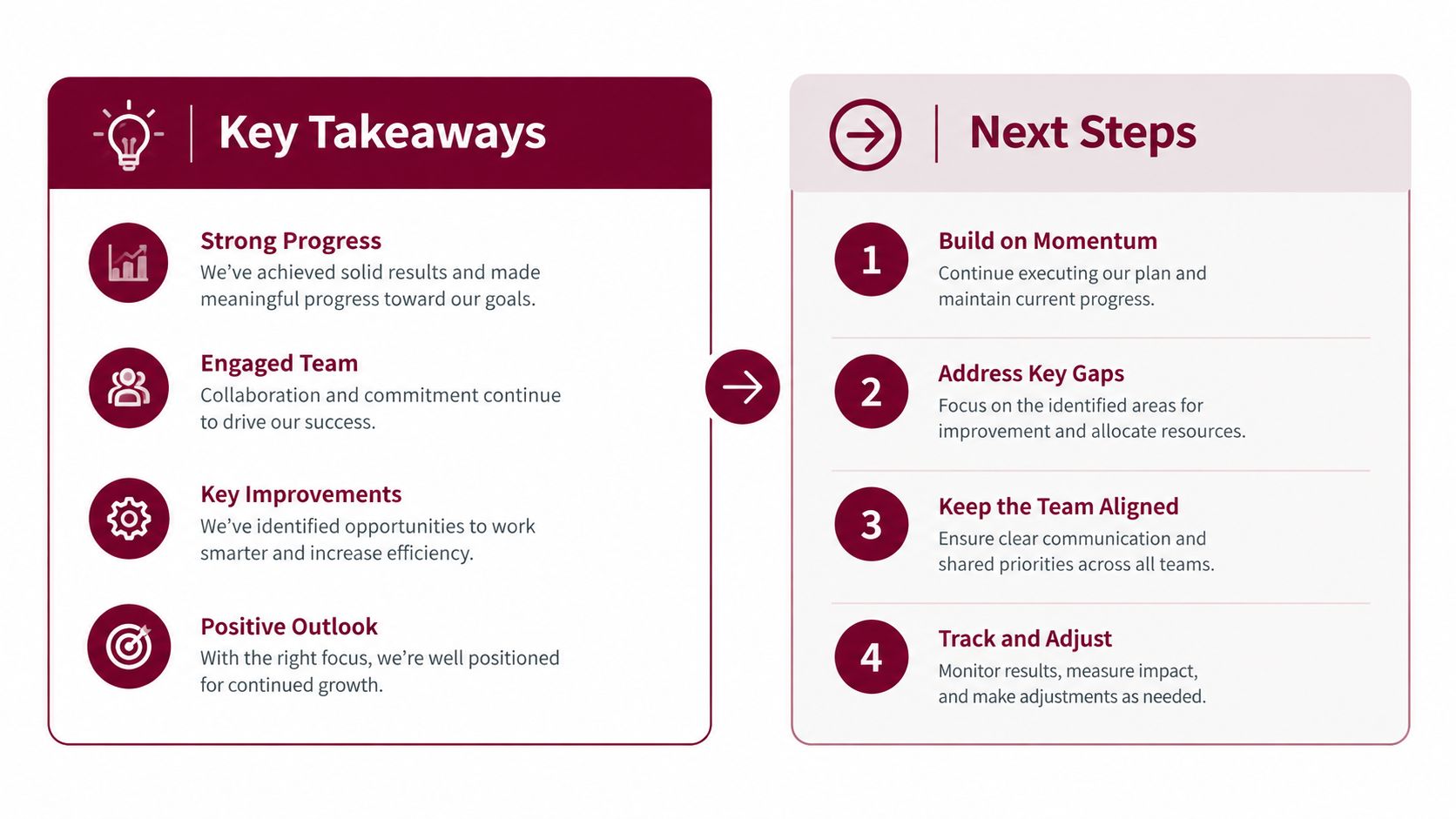
Audit your current policy against your live contracts, prepare the document folder and interview prospective brokers using the criteria above. The broker you appoint should be able to explain the cover before a claim, act decisively during a claim and help you adjust the arrangement as your work changes.
ABS Insurance Brokers Pty Ltd arranges public liability, contract works and related insurance for builders, trades, owner-builders and commercial clients, with support from quotation through claims and renewal. Visit ABS Insurance Brokers Pty Ltd to discuss your work, contract requirements and the cover your business needs.