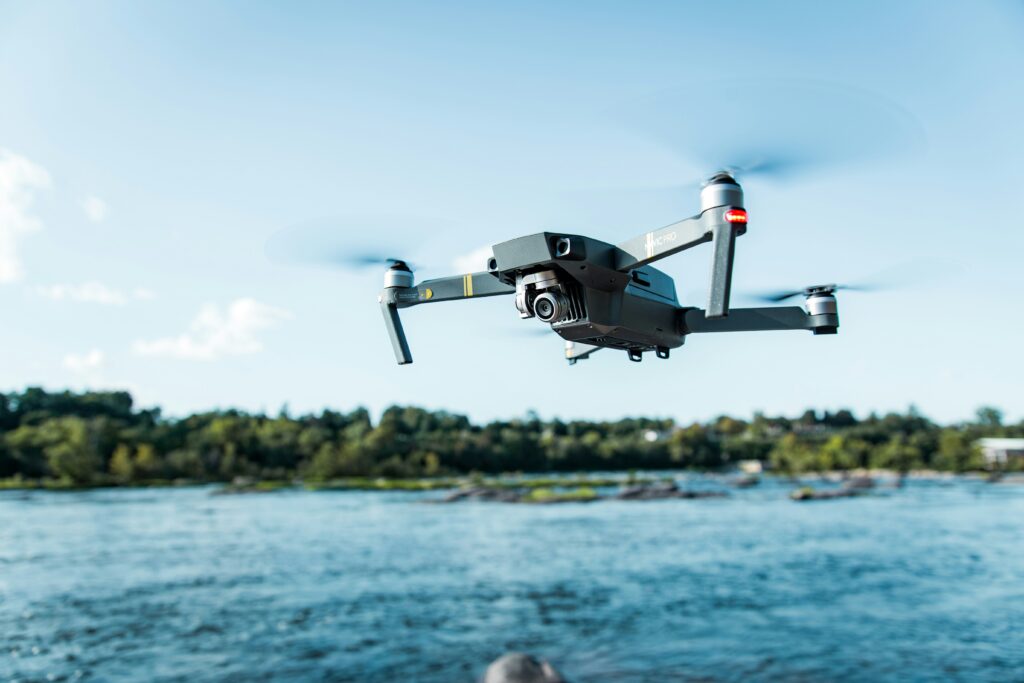
Drone insurance for photographers should cover the operation you actually perform, not just the camera you own. Property listings, commercial films and event work can involve different locations, people and contractual responsibilities.
Use this guide when adding aerial photography to an established business or reviewing an existing policy. The ABS drone insurance page explains the broader equipment and aviation liability options.
Discuss your drone, pilots, work and insurance questions with ABS Insurance Brokers.
Bring your equipment list and operating details so the proposed cover can be reviewed.
A photography equipment policy or ordinary business liability policy should not be assumed to include drone operations. Ask each insurer how it treats aircraft, equipment in flight and commercial aerial work.
Describe the complete service: still images, edited video, marketing packages, building footage or event coverage. Include the locations, typical clients, pilots and whether you subcontract any flights.
Be clear about who owns the drone and who signs the client contract. If you hire a pilot but deliver the finished marketing package under your business name, you still need to consider your own contractual and business exposures.
Provide an itemised schedule of the aircraft, cameras, lenses, controllers and other equipment to be insured. Explain whether the camera is detachable, used on more than one platform or hired for particular jobs.
Ask about accidental damage in flight, theft, transport between shoots and storage in a vehicle or premises. Check the security conditions, excess and settlement basis, rather than assuming all equipment is treated alike.
Repairing the aircraft is only one part of an interrupted shoot. Ask separately about replacement hire, unrecoverable footage, reshoots and lost fees. A manufacturer repair plan or equipment section should not be treated as an answer to every business loss.
Discuss the location with the client before agreeing to a particular flight or camera angle. Neighbours, passers-by, traffic, workers and nearby aviation activity may affect what can be done safely and lawfully.
CASA’s guidance on flying over and near people explains restrictions and relevant authorisation pathways. A property owner’s consent is not, by itself, permission to fly over other people or disregard operating conditions.
Build an alternative plan into the booking, such as a different time, a different shot or ground photography. Explain any material change in the operation to the broker so that the insurance description remains accurate.
A shoot can capture people, neighbouring homes or other information outside the intended subject. Plan the flight and framing to minimise unnecessary capture, and decide who can access the raw files, where they are stored and when they are deleted.
The OAIC’s guidance on drones and privacy explains that the Privacy Act applies to covered entities; it does not cover every operator in the same way. Other obligations may also be relevant to the circumstances.
Ask the broker specifically about privacy allegations and handling digital material. Do not assume aviation liability includes these exposures, or that a cyber insurance policy answers every filming or publication issue.
For business flights, review CASA’s operator accreditation guidance to understand the pathway relevant to you. Insurance eligibility can also contain its own pilot or training conditions. Ask what evidence the insurer requires before the first booking under the policy.
Check the wording and ask the insurer. Equipment owned by a photography business is not necessarily insured while used as or carried by an aircraft.
Yes. Explain all work activities accurately, including occasional jobs and work that supports a larger photography package. Do not assume a small number of flights is irrelevant.
Do not assume it does. Review your own policy and the contract between the businesses, including who operates the aircraft and who supplies the finished work.
No. Ask how the specific policy treats privacy, publication and digital information. Any extension may have limits, conditions or exclusions.
Request current insurance evidence, appropriate credentials and an agreed scope of work. Ask your broker how your own policy responds to subcontracted work and retained responsibilities.
Bring ABS your equipment list, typical shoot locations and client agreement. We can help clarify the aviation and business insurance questions for your photography services.
General information: This article does not take account of your objectives, financial situation or needs. Cover is subject to underwriting, the policy wording, schedule, endorsements, limits, excesses and exclusions. Read the relevant documents and seek advice appropriate to your circumstances. Check current regulatory requirements with the relevant authority.