
Marine insurance for Australian importers, exporters, cargo owners and businesses moving goods by sea, road, rail or air – including storage in transit.
 Posted on Google
 Daniel Zarkovic4 days ago
Trustindex verifies that the original source of the review is Google.
Had a fantastic experience with these guys! I run a small finance business and my insurance premiums were always increasing year on year. Decided to shop around and found these guys who helped get my annual premiums right down savings me a lot of money. Highly recommend and easy to deal with!Posted on Google mick taleb31 days agoVanessa and Faith have saved my life. Insurance and policy covers for me have never been so easy the best of the best 💪🏼Posted on Google
 cameron sosso32 days agoVanessa was a pleasure to deal with.Posted on Google
 John Brice33 days agoI have dealt with Phil for many years, both professionally and personally. I have always forund him to be of the highest integrity and he does what he says he'll do. I have recommended him to many of our clients for his advice and wealth of knowledge.Posted on Google
 Paul Metlege34 days agoFor nearly as long as I've been building, Vanessa has been taking care of my insurances. Honestly, not just the best operator in insurance, one of the best operators simply I've ever come across in any field. Can not recommend Vanessa high enough. Replicate her work ethic, and the world will be a better place!Posted on Google
 maree conners46 days agoWe have been using ABS Insurance Brokers for several years and have found them to be very helpful and they make sure that we get the right insurance at the right price. When we had a claim they went out of their way to make sure all paperwork was done so we could get our car back as soon as possible, I would recommend them to anyone looking for insurancePosted on Google
 maha hebous49 days agoABS insurance are not just brokers they have become family. Over the past 12+ years they have helped us out every step of the way to find us the best prices and solutions for our Building Company. I can’t thank them enough. Thank you Vanessa and Faith and to all past and present colleagues that always do right by usPosted on Google
 MICHELLE SABA54 days agoI cannot recommend Vanessa and Faith highly enough. The service they both provide is absolutely incredible. They are extremely knowledgeable, professional and always willing to take the time to answer any questions we have. No matter what we need, they are always ready to take my call, respond promptly and get things sorted quickly and efficiently. It’s so reassuring having insurance brokers who are reliable, approachable and genuinely care about their clients. Vanessa and Faith consistently go above and beyond for us, and nothing ever feels like too much trouble. We are extremely grateful for their ongoing support and wouldn’t hesitate to recommend them to anyone looking for knowledgeable, responsive and dependable insurance brokers. Thank you both for always looking after us!Posted on Google
 Gaby Bayssari55 days agoFantastic experience with ABS Insurance Brokers! They made the whole process completely stress-free, found me great coverage, and saved me time and money. Highly professional and responsive. Five stars!Posted on Google
 Murphy Salisbury55 days agoI cannot recommend the team at ABS enough In particular Vanessa - she has been helping me with HBCF Cover for the last five years, And has been a major part in helping me grow my business safe safely. Five star recommendation from Salisbury building projectsVerified by TrustindexTrustindex verified badge is the Universal Symbol of Trust. Only the greatest companies can get the verified badge who has a review score above 4.5, based on customer reviews over the past 12 months. Read more
Options shaped around your cargo, route and trade
Support for domestic and international movements
Practical assistance when cargo is damaged or lost
Clear guidance from quote through renewal
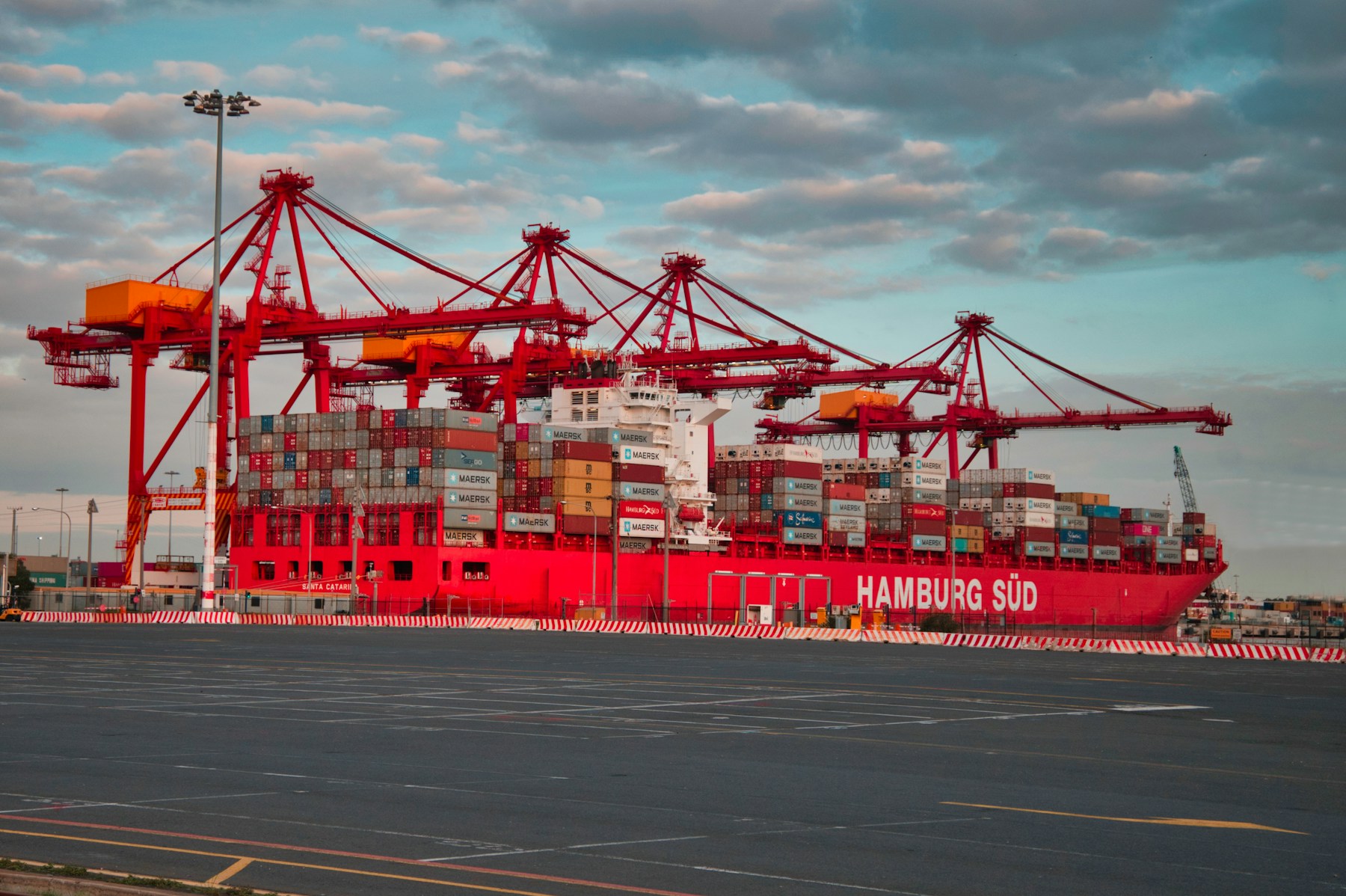
Marine insurance helps protect goods, cargo and other marine-related interests against physical loss or damage while they are being transported or stored. It can be relevant to goods moving domestically or internationally by sea, road, rail or air.
ABS Insurance Brokers can help importers, exporters, wholesalers, manufacturers, retailers and other businesses consider marine transit insurance around their routes, cargo, packaging, storage, carriers and contractual responsibilities. Policy terms, limits, deductibles, conditions and exclusions apply.
Goods moving domestically or internationally may be considered for cover.
Options may respond to unexpected external damage, subject to the policy.
Discuss dropping or impact risks while goods are being handled.
Cover may include insured damage from fire, explosion, lightning, collision or impact.
Door-to-door arrangements can include temporary storage where agreed.
Consider vandalism, sabotage and other insured events, subject to exclusions.
We ask the questions that help clarify cargo and transit exposures
Consider marine cover alongside property, liability and business interruption
Access to insurers and underwriting options suited to the risk
A broker relationship from placement through claims
Update cover as products, routes, carriers and volumes change
Request a tailored marine transit insurance review from ABS Insurance Brokers.
Marine insurance is designed to help protect cargo, goods, vessels or other marine-related interests against specified loss or damage. The appropriate policy depends on what is being insured, how it moves and the risks accepted by the insurer.
Depending on the policy, cover may be available for accidental damage, fire, collision, impact, dropping during loading or unloading, malicious damage and storage in transit. Limits, deductibles, conditions and exclusions apply.
Some marine transit policies can provide door-to-door cover while goods travel by sea, road, rail or air, including agreed storage in transit. Tell your broker about every part of the journey so the wording matches the movement.
Common exclusions can include delay, consequential loss or loss of market, war and inherent vice, although the exact position depends on the policy and insurer. Review the Product Disclosure Statement and discuss suitability with your broker.
Arrange a review before goods leave your premises, especially where contracts, Incoterms, carrier responsibilities, cargo value, storage or international routes are involved. Early disclosure helps insurers assess the risk and required cover.